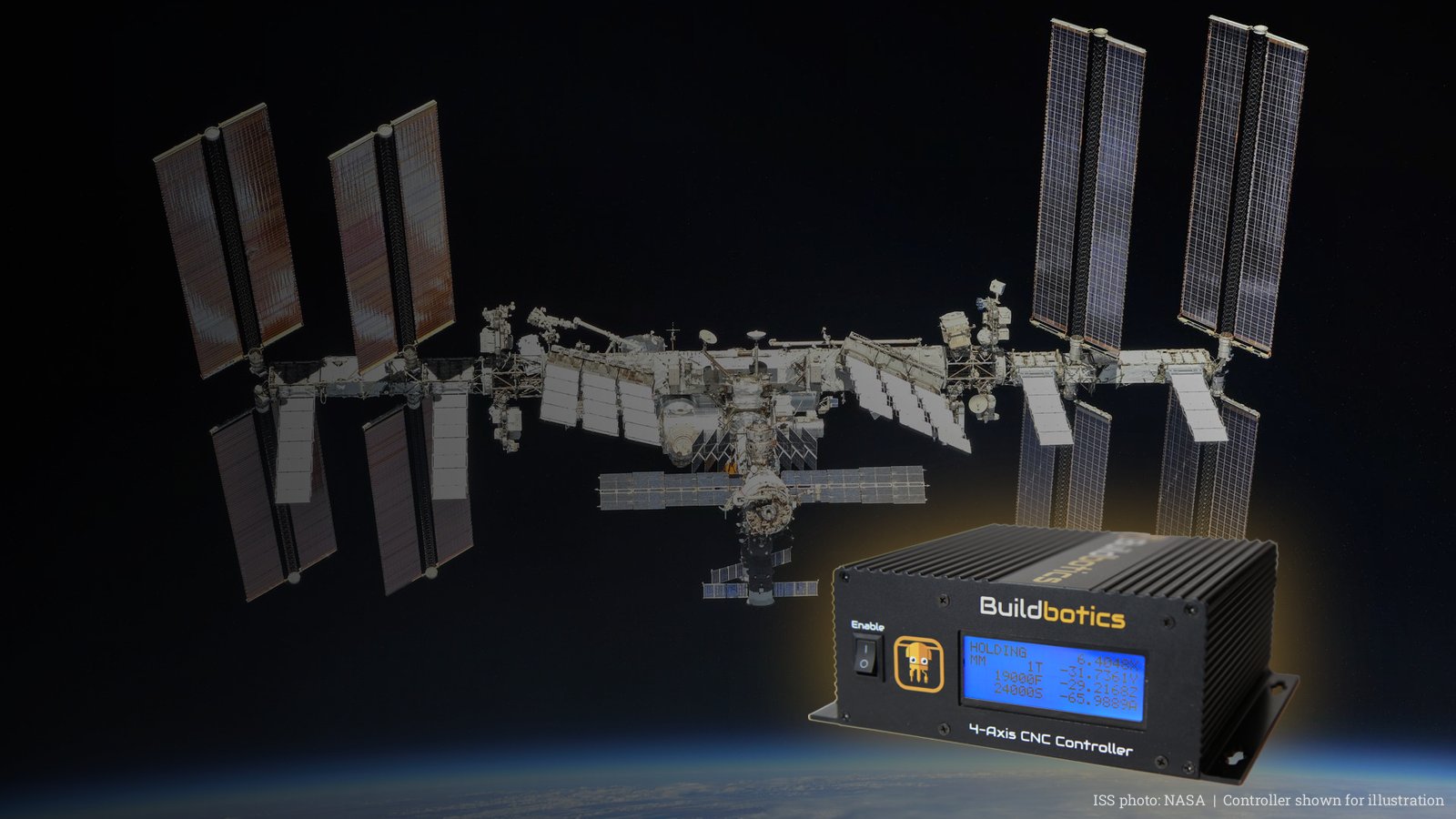
Buildbotics goes to the International Space Station
A commercial off-the-shelf Buildbotics CNC controller, the same open-source unit used in small machine shops and garages, is launching to the International Space Station aboard Northrop Grumman's NG-25 mission after passing launch-vibration and thermal-vacuum testing.
We've been sitting on this news for a while, and we're thrilled to finally share it.
Flight tested
Before it could fly, the controller had to prove it could handle the ride. It passed launch-vibration testing, the violent shaking a payload experiences on the way to orbit.
It also passed thermal-vacuum testing, running in a vacuum at high temperature for more than a week. With no air to carry heat away, that's a real test for a fan-less design, and the controller came through with flying colors.
Watch the launch

NASA plans to broadcast the launch live. Launch dates can slip for weather or technical reasons, so check NASA's coverage page for the latest schedule.
- Watch live on NASA (nasa.gov/live)
- NASA launch coverage schedule
- NASA's Northrop Grumman CRS-25 mission page
- Northrop Grumman NG-25 mission page
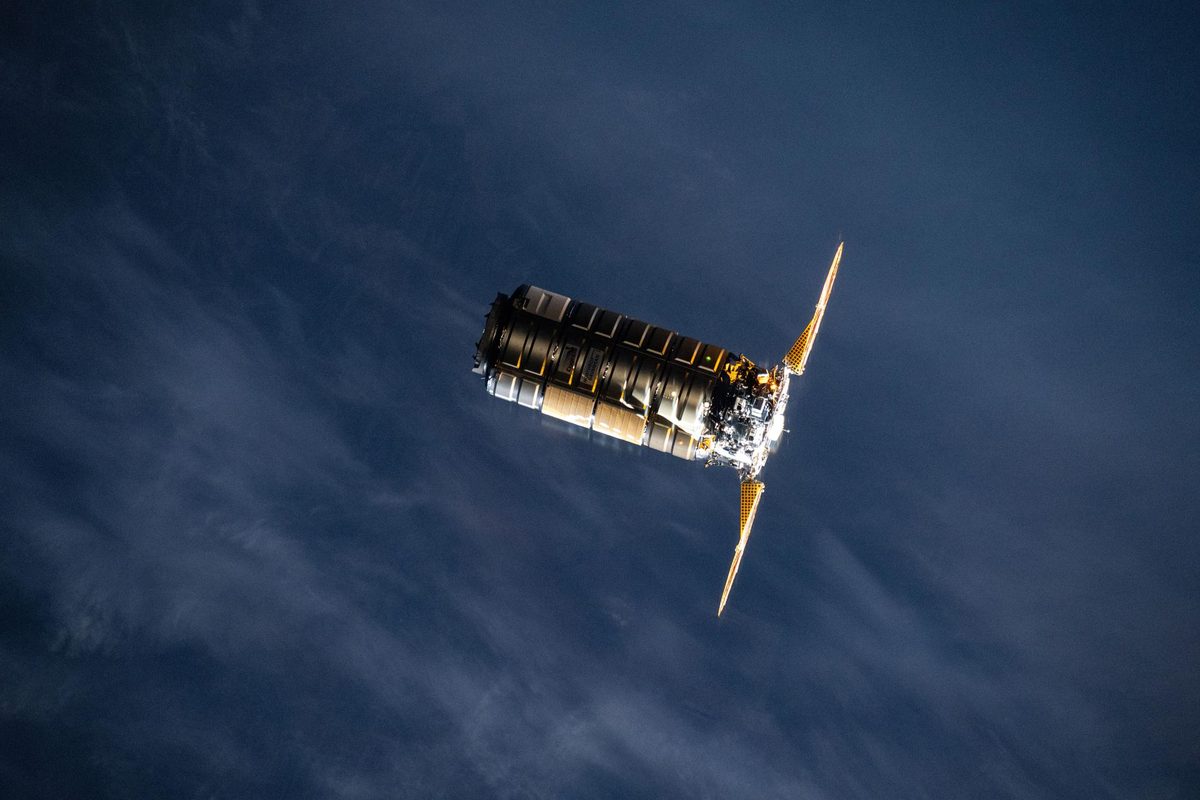
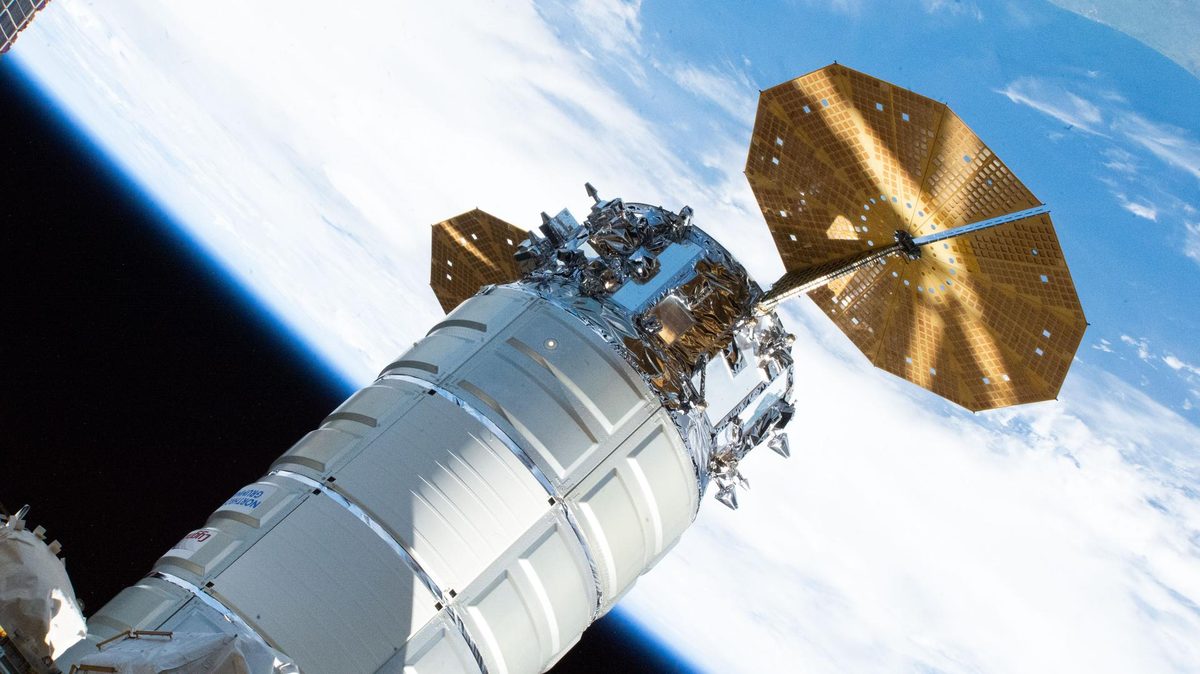
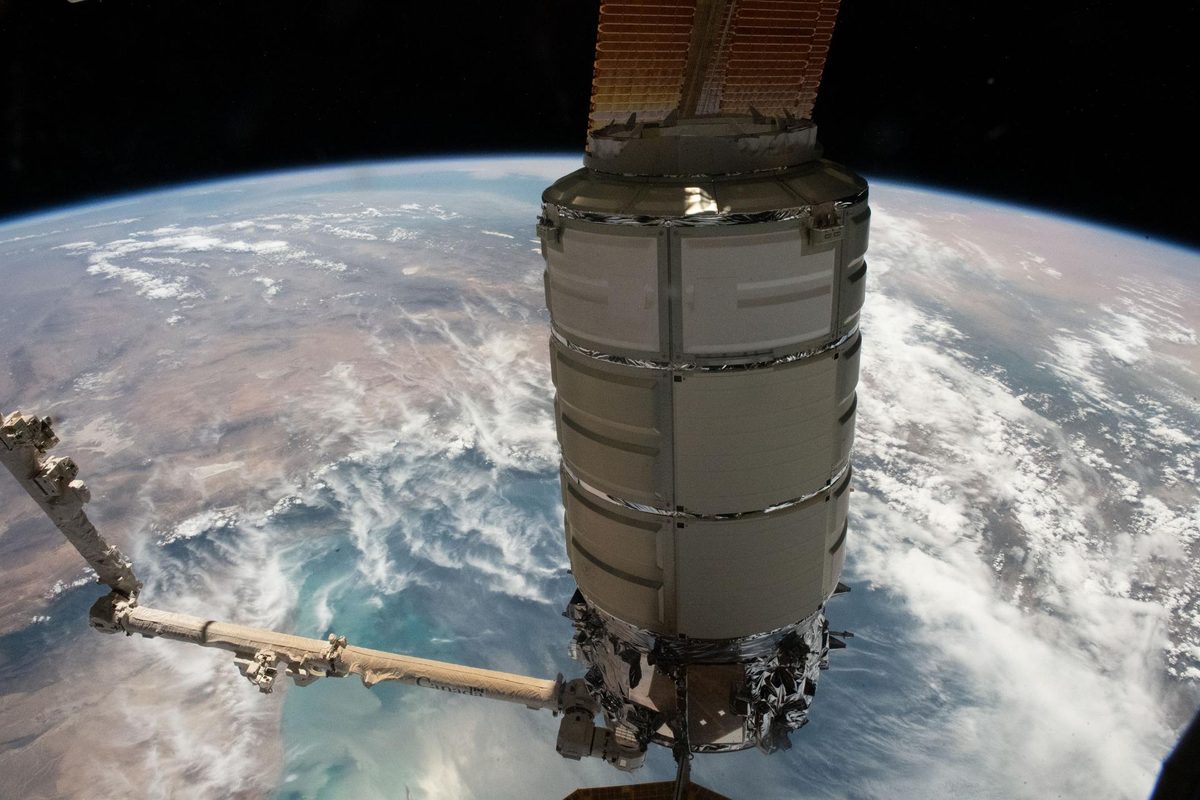
The Cygnus spacecraft for this flight is named the S.S. James "Jim" Lovell. It's the third mission to fly the larger Cygnus XL, which can carry about 5,000 kg (11,000 lb) of science, supplies and hardware to the station.
What will it be doing up there?
We can't say yet. The controller is part of a customer's project, and we've agreed to keep the details under wraps until their work is done. We expect to have a lot more to share after March 2027.
Want to hear about it first? Join our mailing list below or follow us on Facebook and Instagram.
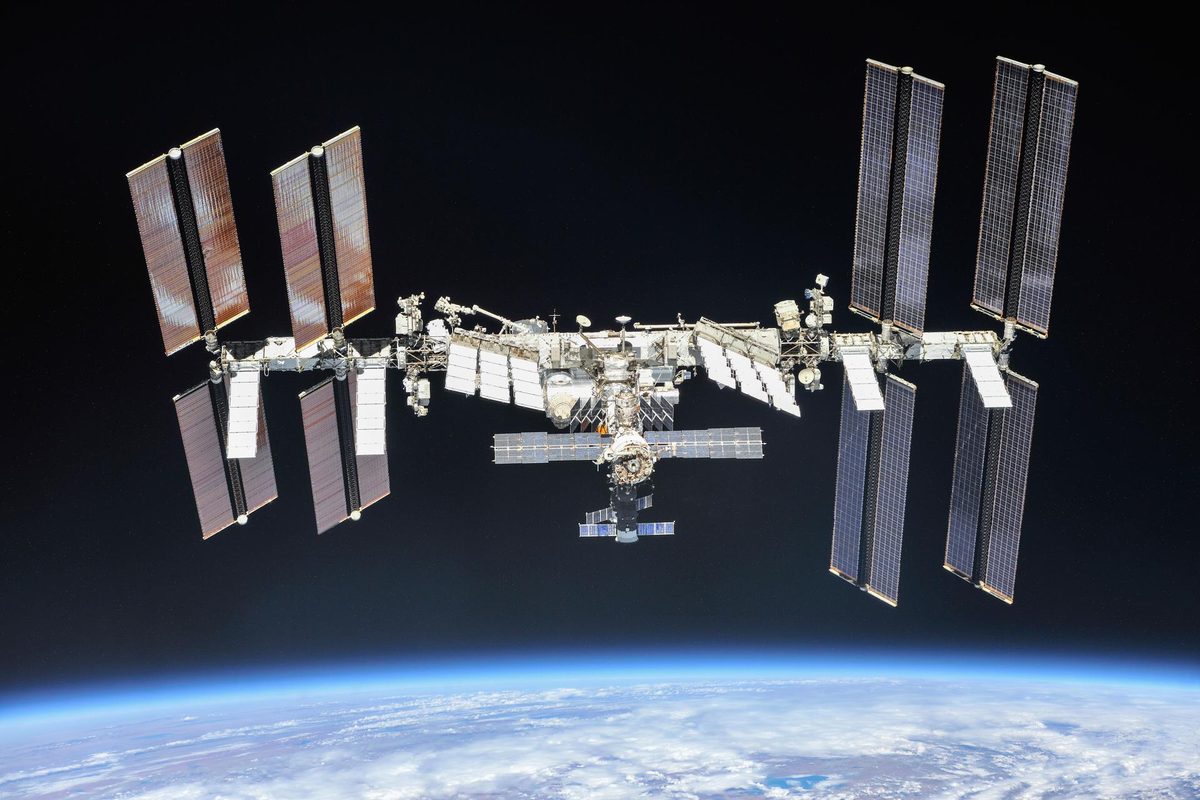
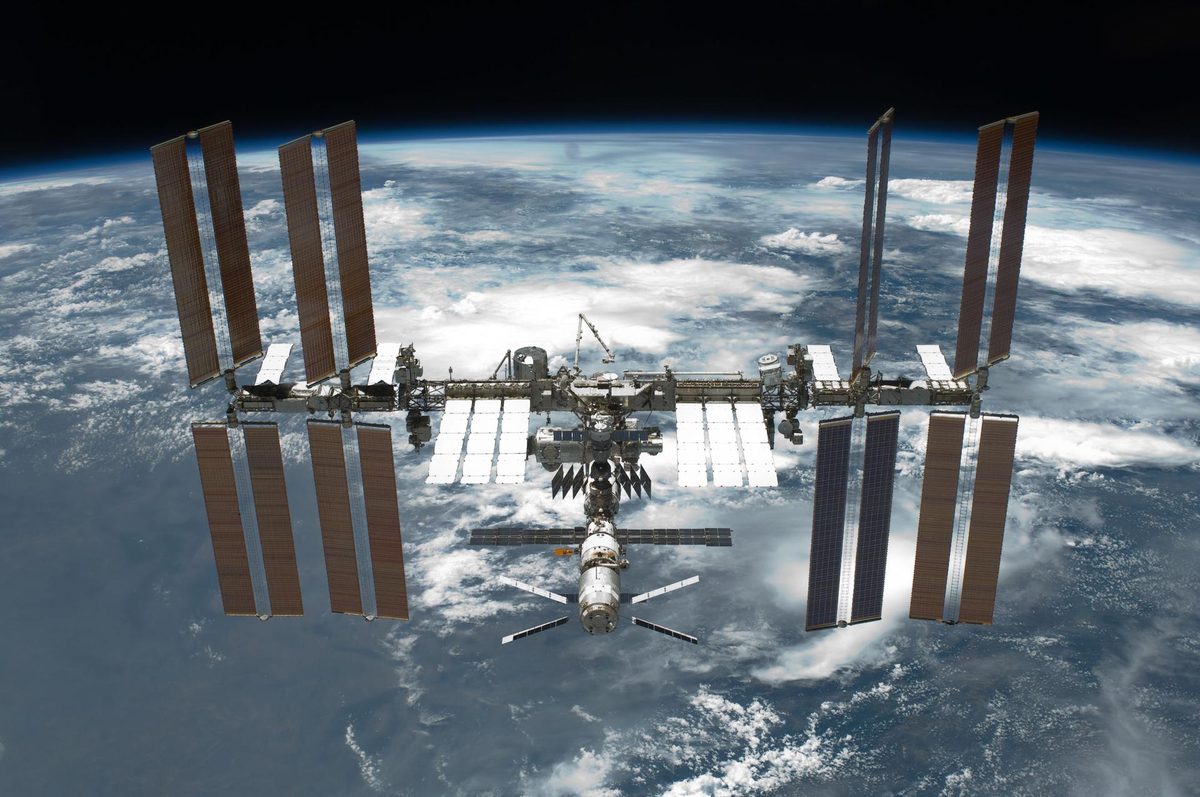
The destination
The controller

The Buildbotics controller is a fully enclosed, fan-less CNC controller with four built-in stepper drivers, a browser-based interface and open-source software.
Photos courtesy of NASA. Use of NASA imagery does not imply endorsement by NASA. Buildbotics is not affiliated with NASA, Northrop Grumman or SpaceX. Launch date and time are subject to change.